
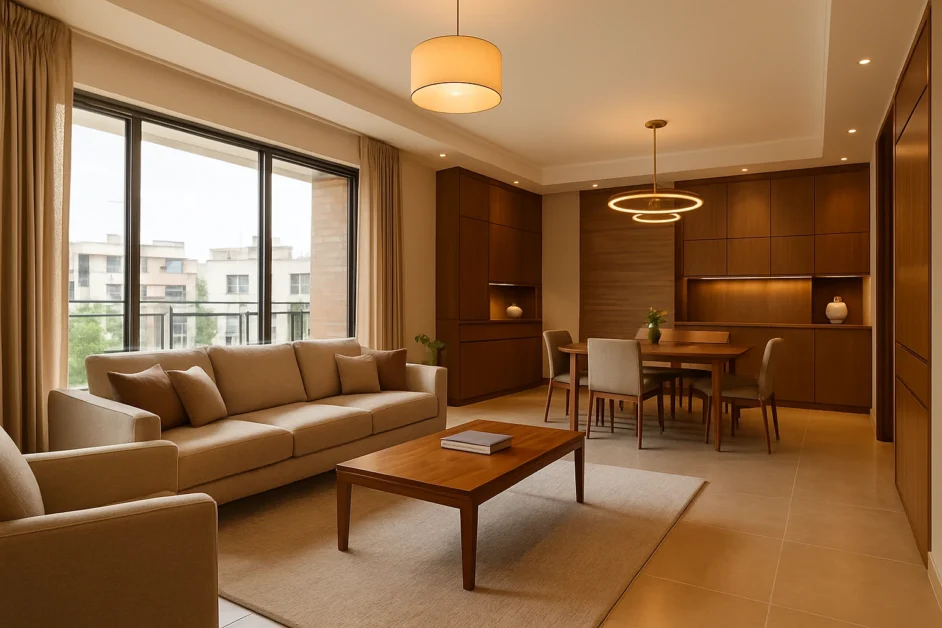
Contextual Design Philosophy for a Reliable Home in Dhaka
Contextual Design Philosophy is more than home decor. It makes your space beautiful and work flawlessly, with proper wiring, plumbing, and planning by Sunlit.
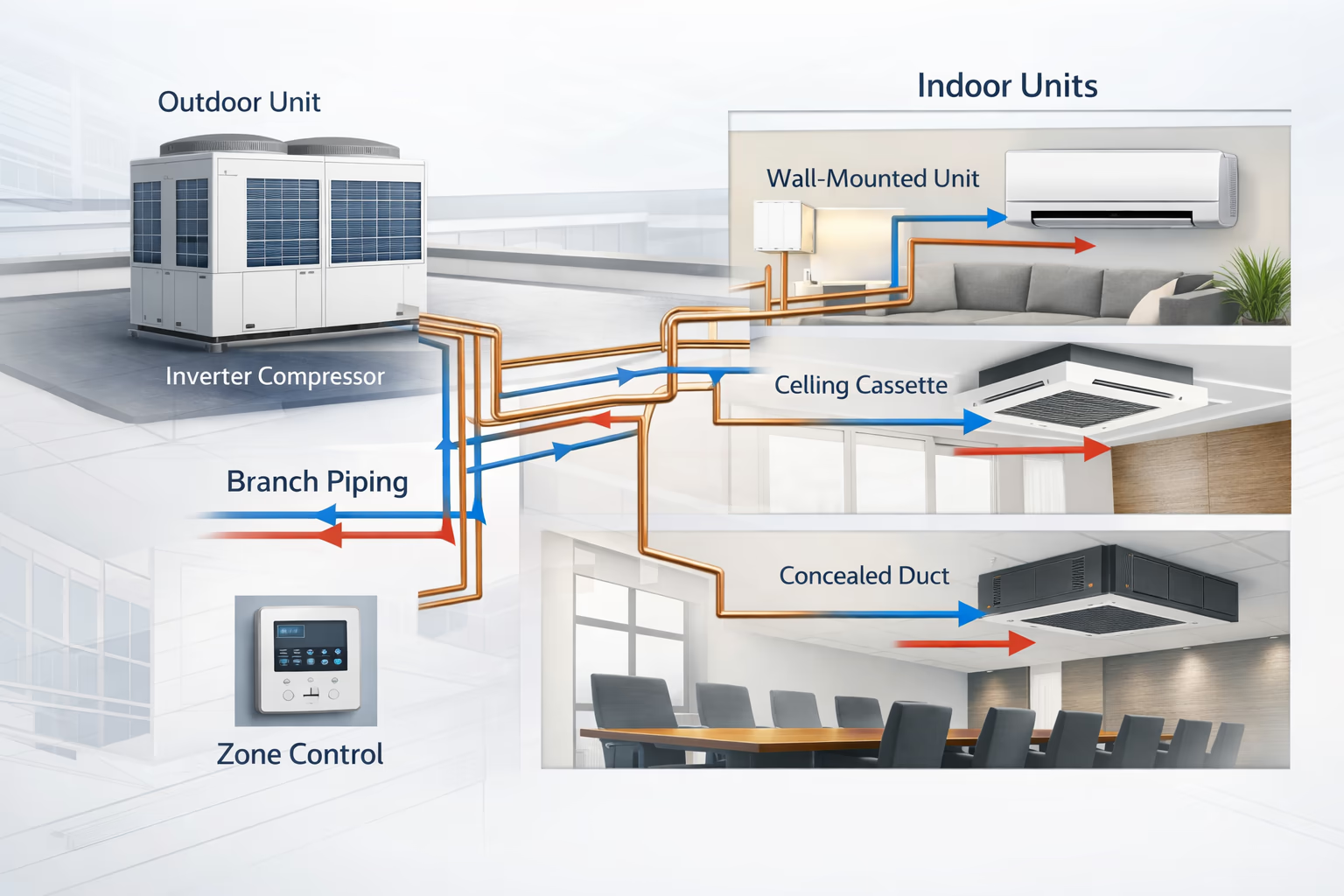
Definition: VRF (Variable Refrigerant Flow) is an HVAC technology that varies the flow of refrigerant to multiple indoor units based on the specific demand of each zone, ensuring maximum comfort and energy efficiency.
At its core, a VRF system is a highly sophisticated version of a multi-split air conditioning system. Unlike traditional systems that are either “on” or “off,” VRF technology allows a single outdoor unit to connect to multiple indoor units (often dozens) and precisely modulate the amount of refrigerant flowing to each one.
Think of it like a smart lighting system where you can dim each bulb individually rather than having one switch for the whole building. This is made possible by Inverter Technology, which allows the compressor to vary its speed continuously based on the actual cooling or heating demand of each zone [1].
VRF systems are not just for large commercial buildings; their modularity makes them ideal for a variety of applications:
| User Type | Primary Benefit |
|---|---|
| High-Rise Residential | Individualized comfort for each apartment with improved building facade aesthetics due to fewer outdoor units. |
| Commercial Offices | Precise zone control for varying thermal loads (server rooms, cabins, open offices) resulting in lower operational costs. |
| Luxury Villas | Ultra-quiet operation and flexible indoor unit placement that blends seamlessly with interior design. |
| Mixed-Use Buildings | A centralized VRF system capable of handling both residential and commercial cooling demands efficiently. |
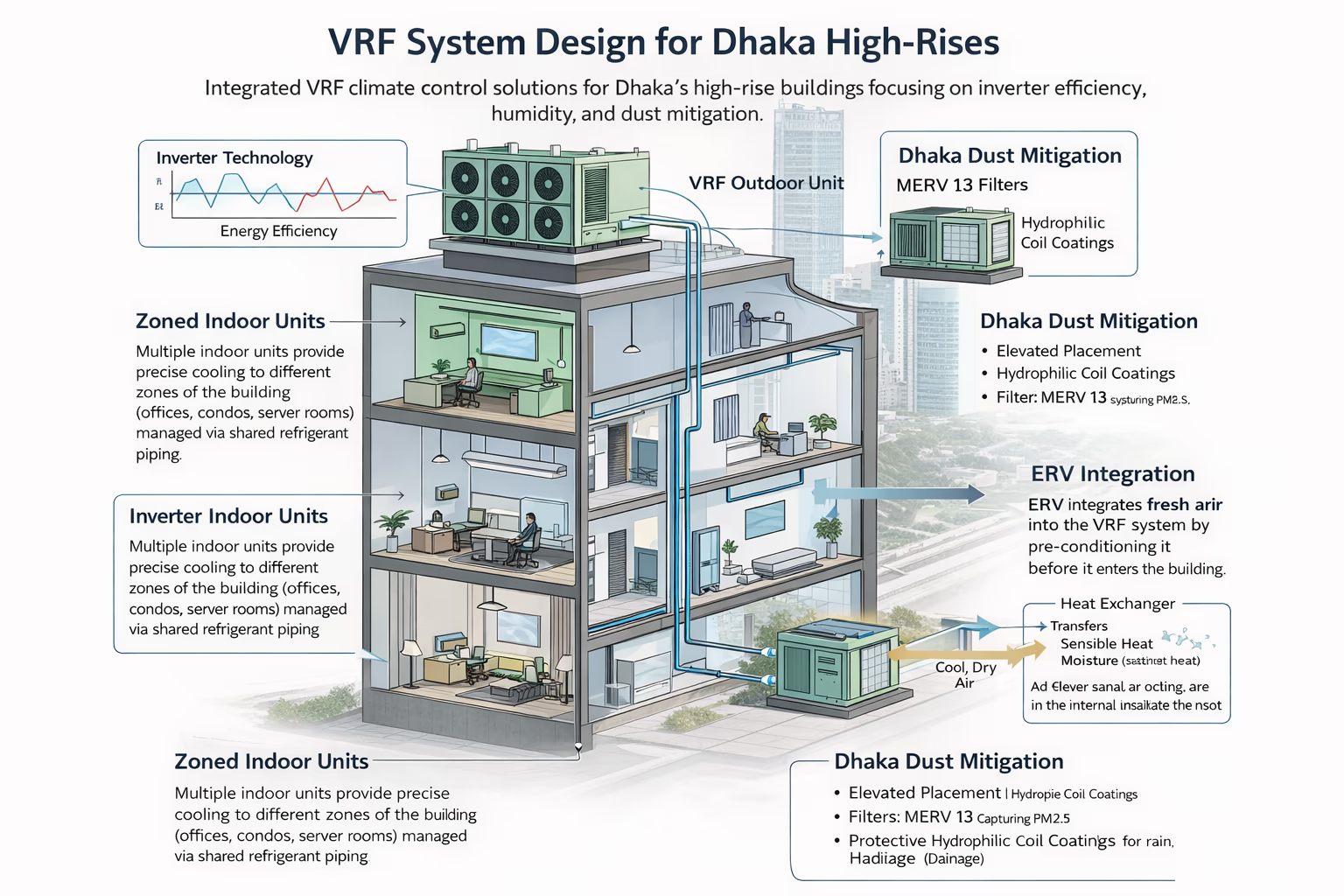
The shift toward VRF is driven by several critical advantages that align with modern sustainability goals:
Implementing a VRF system is a technical process that requires precision. At Sunlit, we follow a stringent protocol to ensure longevity in demanding climates:
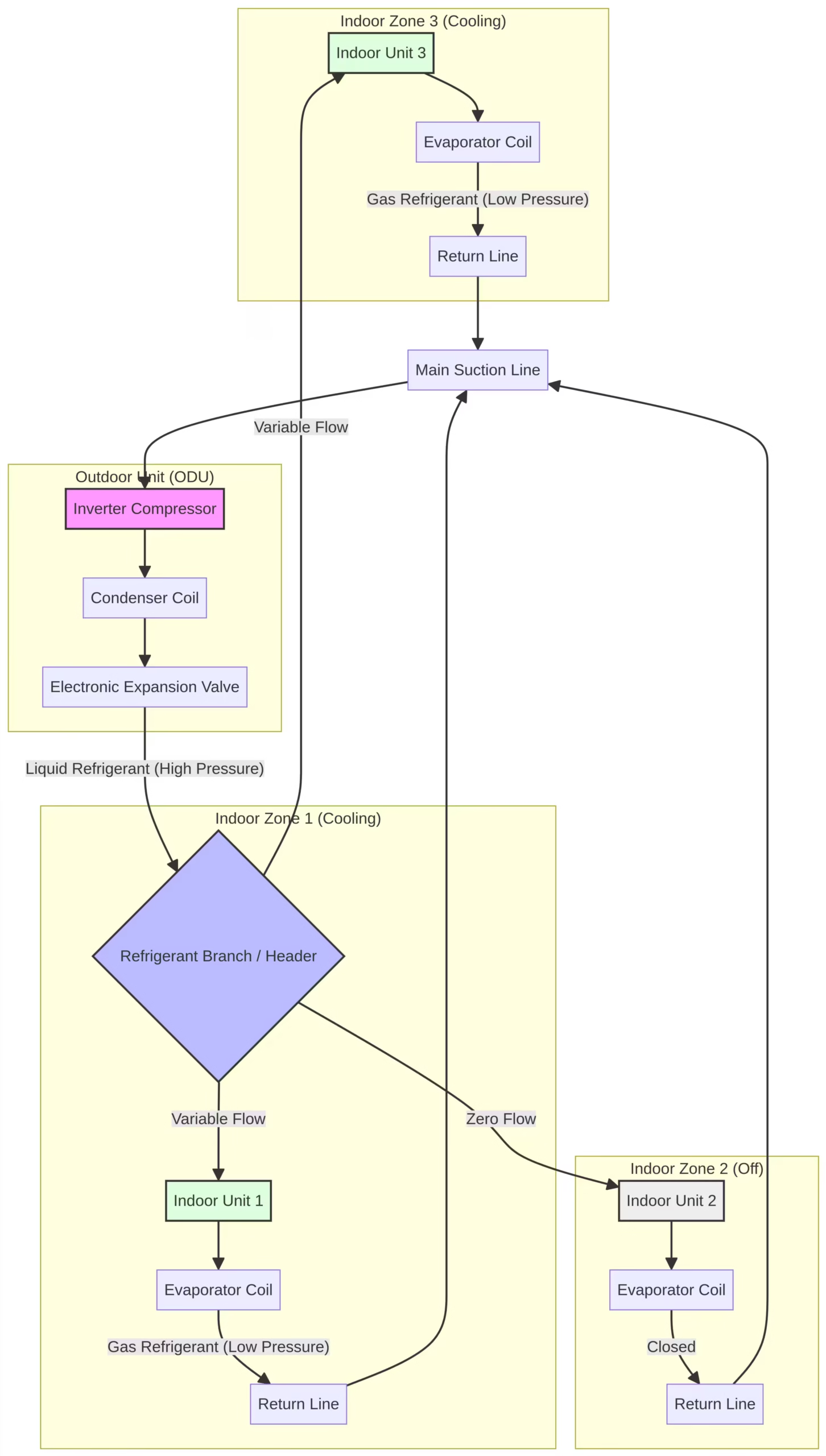
The industry is currently transitioning from R-410A to R-32 refrigerant. R-32 has a significantly lower Global Warming Potential (GWP) and offers better efficiency, making it the preferred choice for future-proofing high-rise systems in compliance with global environmental standards [5].
Secure Your Property’s Future with Dhaka’s Most Trusted Engineers. Don’t gamble with your home’s safety. Consult with the firm that has shaped Dhaka’s skyline for 40 years.
Yes, if you are altering structural walls, plumbing stacks, or the external facade. Even "minor" changes can violate MGC rules. Sunlit specializes in navigating these approvals to ensure your property remains legally compliant and maintains its resale value.
A design firm makes a space look good on a screen. An engineering firm like Sunlit makes it work in reality. We understand the load-bearing capacities of 30-year-old Dhanmondi buildings and the unique soil settlement challenges of new zones like Purbachal.
We utilize specialized moisture-resistant (MR) boards, thermal-break windows, and advanced ventilation engineering to prevent mold and wood rot, which are common in cheaper, poorly ventilated Dhaka renovations.
While it varies based on material choice, a high-end, engineering-led interior usually ranges from 4,000 to 8,500 BDT per sq. ft. This includes structural vetting, premium materials, and professional project management.
Absolutely. We have a deep history with the specific building codes of Bashundhara and the unique soil conditions of that reclaimed land, ensuring your home doesn't suffer from "settlement cracks" common in the area.
Yes. Seismic retrofitting is one of our core specialties. We can strengthen your legacy home in areas like Gulshan or Banani to meet BNBC 2020 standards without destroying its architectural soul.
Standard: 30% upfront, 40% when work starts, 30% at completion. Flexible options: 4-installment plan or monthly instalments. Choose what works for you.
Contextual Design Philosophy is more than home decor. It makes your space beautiful and work flawlessly, with proper wiring, plumbing, and planning by Sunlit.
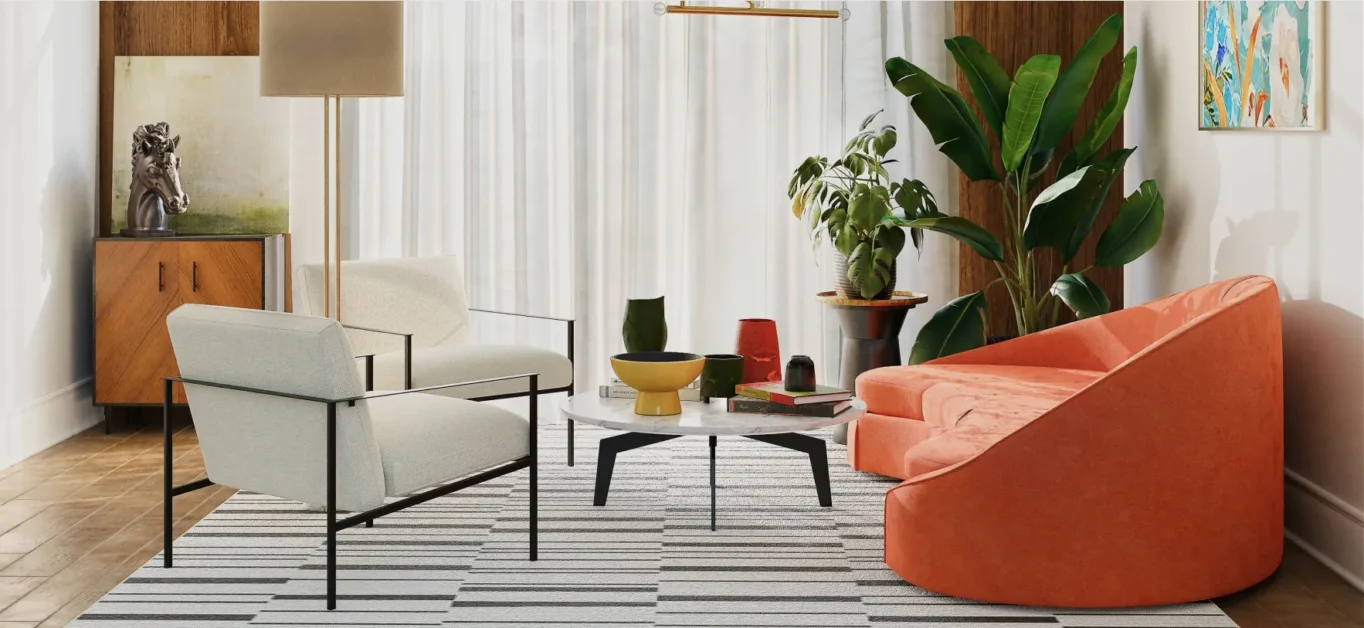
5 ways to maximize natural light in your apartment using expert interior design tips—colours, mirrors, curtains, and layouts for brighter living.
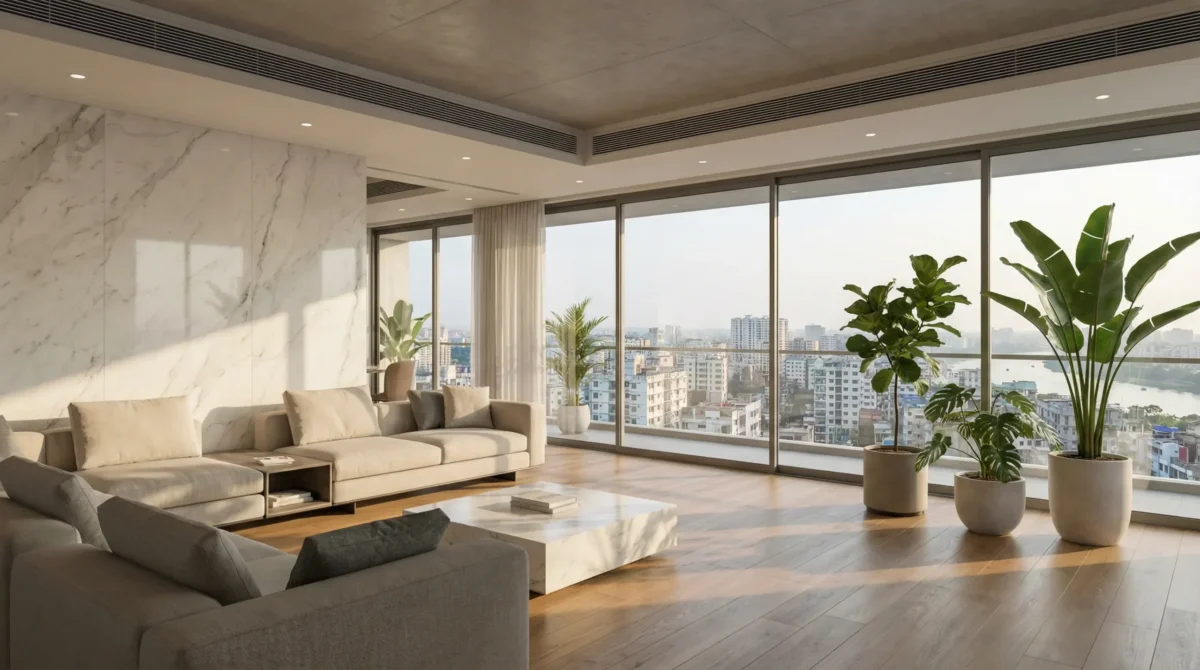
With full BNBC 2020 implementation and growing demand for smart, sustainable living, Interior Design now requires expert authority—not just decoration.