
Contextual Design Philosophy for a Reliable…
Contextual Design Philosophy is more than home decor. It makes your space beautiful and work…
Biophilic design and sustainable materials are redefining Dhaka’s 2025 renovation landscape, shifting focus from aesthetics to climate resilience. Key trends include carbonized bamboo flooring for thermal regulation, breathable lime plasters to combat salt damp (Nona), and jute-composite insulation. For optimal structural integrity, schedule major repairs during the dry Winter season and finalize waterproofing before the Monsoon.
Biophilic Design is a major part of Sunlit’s Contextual Design Philosophy. The narrative of home repair in Dhaka is undergoing a seismic shift. As we approach 2025, the “Sunlit Standard” moves beyond patching cracks; it is about transforming a flat in Gulshan or a duplex in Bashundhara R/A into a living ecosystem. The dense urbanization of our capital has necessitated Biophilic Design—an architectural philosophy that integrates natural elements into the built environment to counter the “Concrete Jungle” effect.
For the affluent professional, this is no longer just a luxury; it is a health imperative. By adopting Sustainable Urban Living strategies, homeowners are rejecting non-porous materials that trap heat and moisture. Instead, they are choosing living finishes that regulate humidity—a critical factor in a city where average humidity hovers above 80% for half the year.
The 2025 renovation palette is dominated by locally sourced, renewable materials that reduce carbon footprints while offering superior resistance to Bangladesh’s tropical climate.
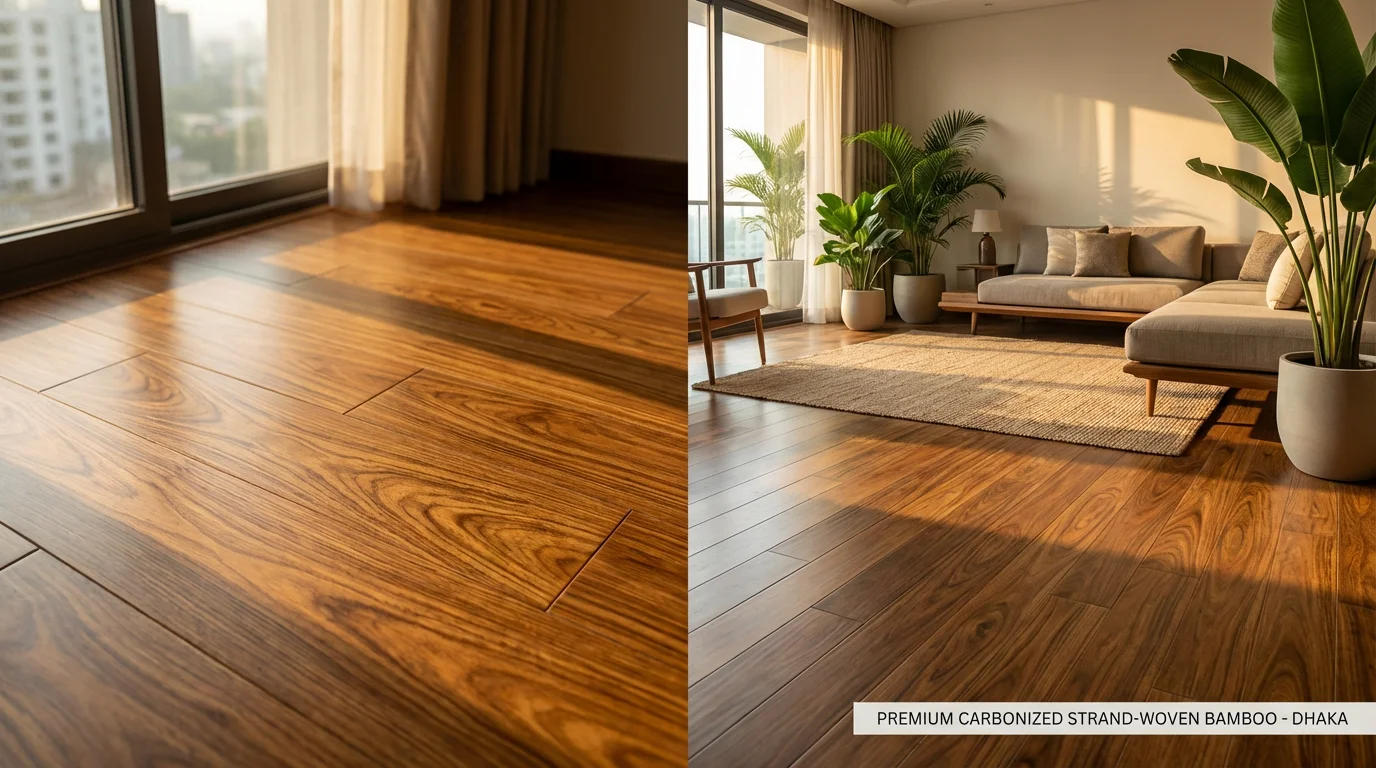
Once synonymous with rural construction, bamboo has been re-engineered into a premium interior finish. Carbonized Strand-Woven Bamboo flooring is trending heavily in upscale Banani apartments. unlike the cold ceramic tiles standard in most Dhaka builds, bamboo offers thermal comfort—staying warm during the sharp January chill and cool during the scorching Chaitra heat. When properly treated against pests, it rivals imported teak in durability but at a fraction of the environmental cost.
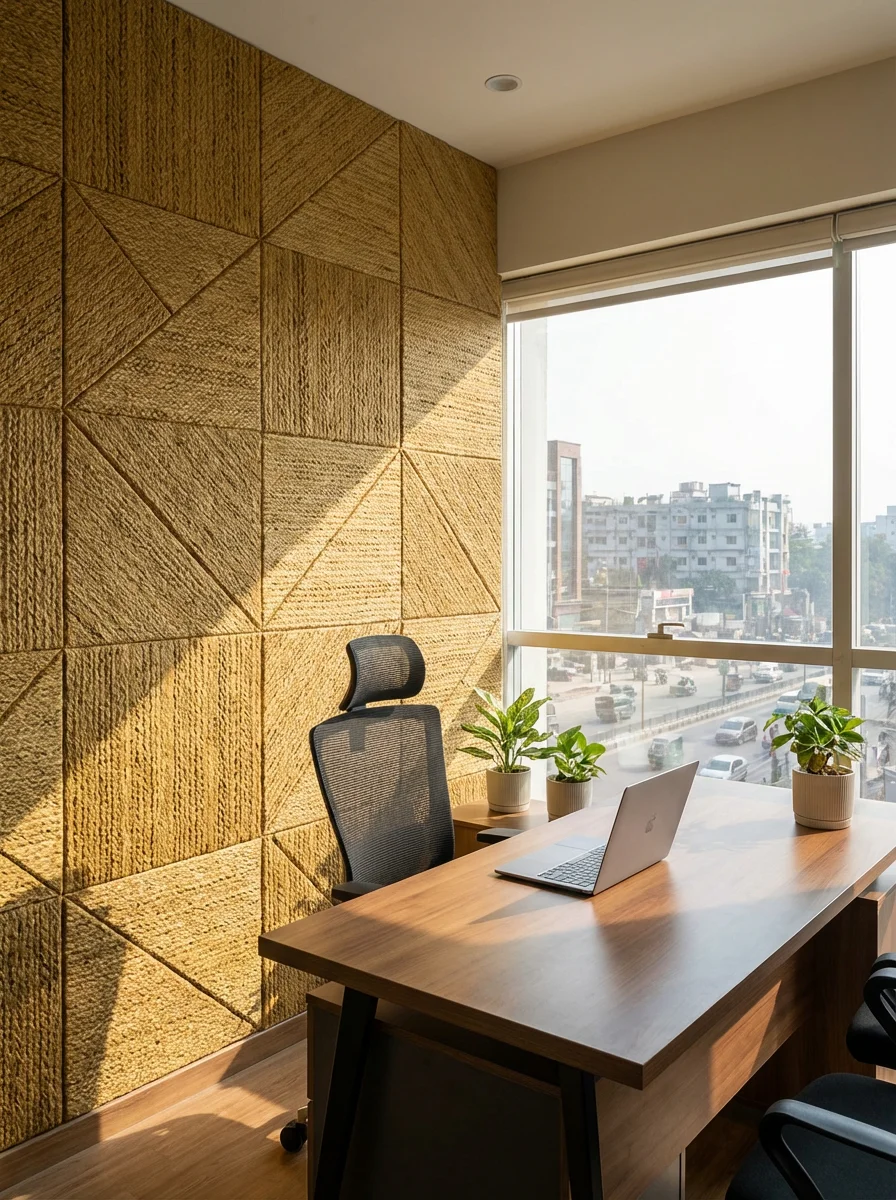
We are seeing a renaissance of the “Golden Fibre.” Beyond traditional rugs, jute-composite acoustic panels are being used to insulate media rooms and home offices. This is particularly vital for blocking out the relentless noise pollution of Dhaka’s thoroughfares. Brands like Beni Boonon are spearheading this movement, offering high-end, artisan-crafted jute decor that adds organic texture while supporting the local economy.
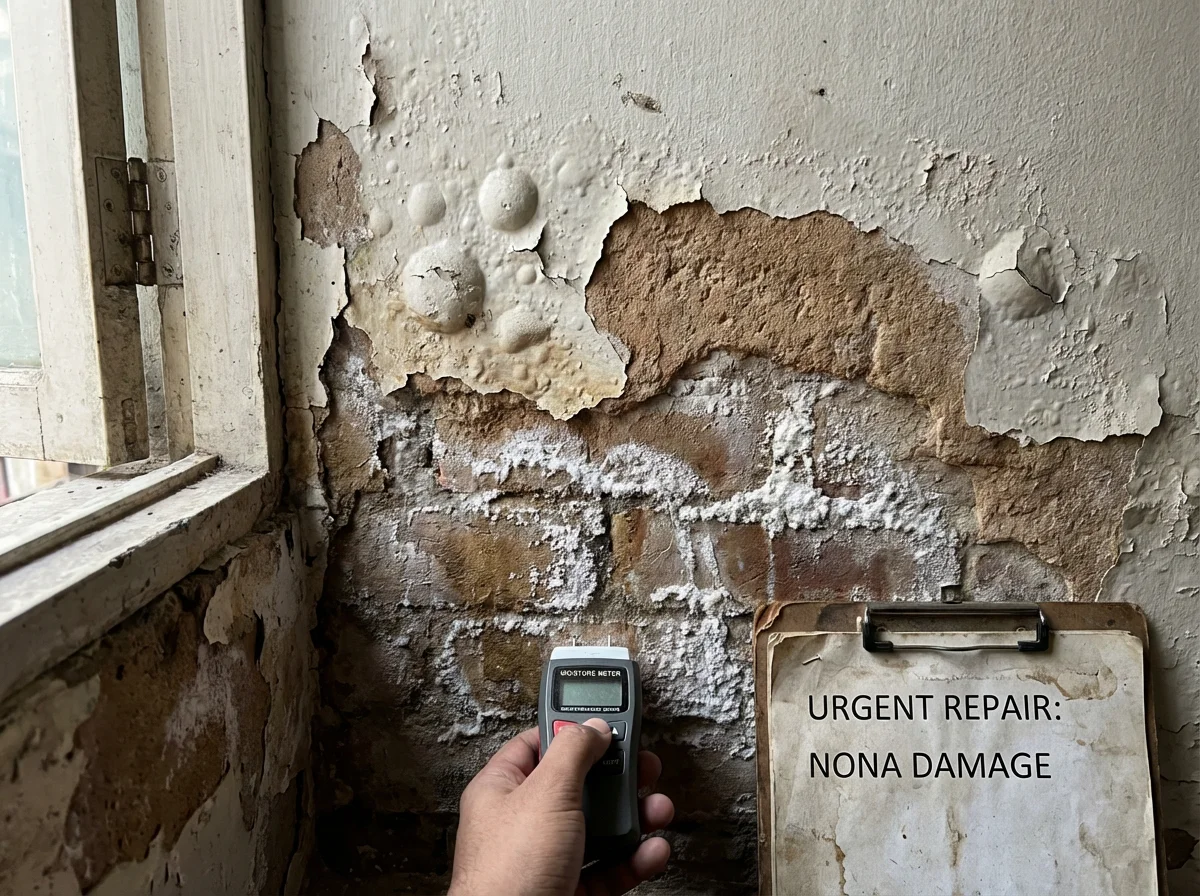
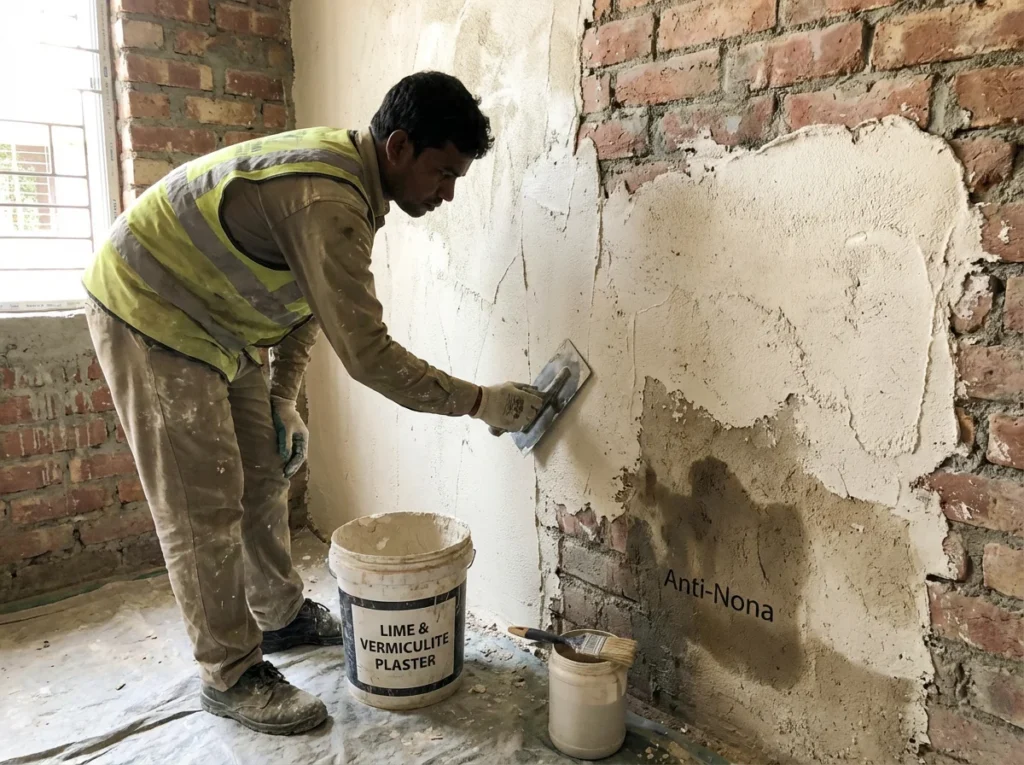
A common plague in Dhaka homes is “Salt Damp” (Nona). Traditional cement plasters trap moisture, causing paint to bubble. The 2025 trend brings back Lime and Vermiculite Plasters. These materials are “breathable,” allowing moisture to evaporate rather than accumulate, effectively immunizing your walls against the damaging effects of the Monsoon humidity.
In Bangladesh, the success of a renovation is dictated by the calendar.
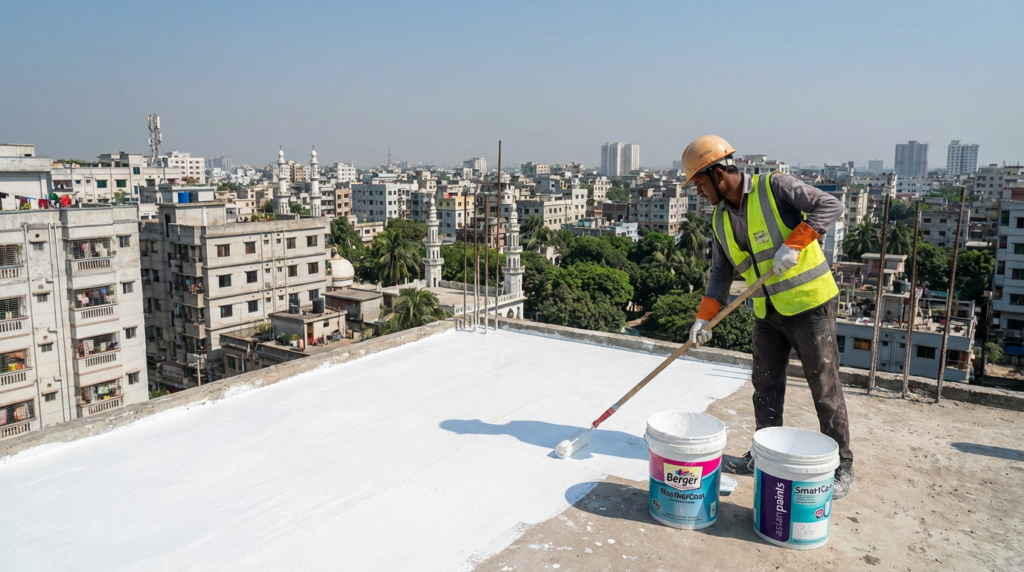
Dhaka’s unique challenge is the “Urban Heat Island” effect, where concrete absorbs and radiates heat at night.
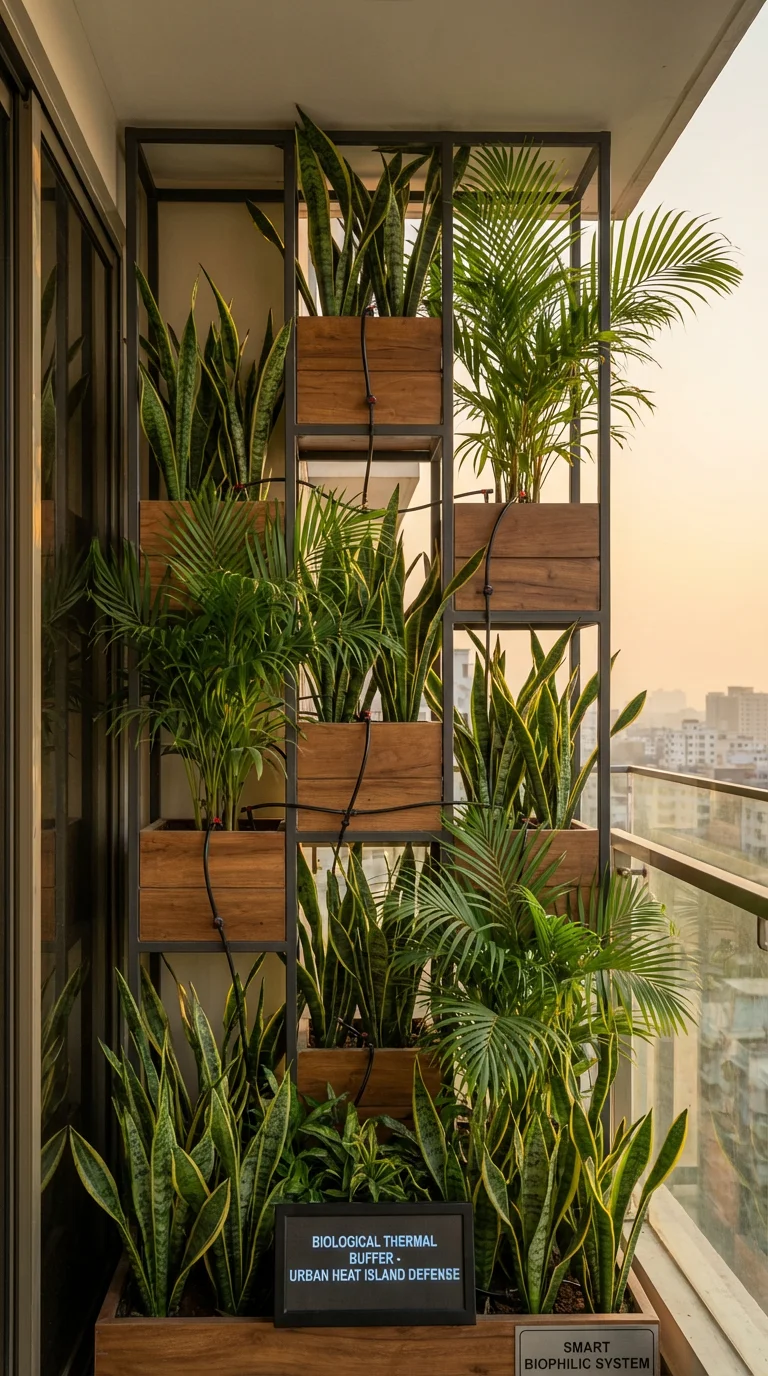
The Sunlit Architect Insight: Do not rely solely on air conditioning. In 2025, we recommend installing vertical green walls on west-facing balconies. Using hardy, air-purifying plants like Snake Plants or Areca Palms creates a biological thermal buffer. This can lower the ambient temperature of adjacent rooms by up to 3°C, providing natural cooling during load-shedding intervals and reducing energy consumption.
Your home is your primary asset in this bustling metropolis. By embracing the biophilic and sustainable trends of 2025, you are not merely repairing a property; you are future-proofing your lifestyle. From the resilience of breathable plaster to the organic luxury of treated bamboo, Sunlit Architect ensures your renovation meets the highest standards of durability and wellness. Build with intention, renovate for the climate, and let your home stand as a beacon of sustainable luxury in Dhaka.
Material / Service | 2025 Est. Price (BDT) | Application | Local Notes / Availability |
Strand Woven Bamboo | ৳380 – ৳700 / sq. ft. | Flooring (Dry Areas) | Superior hardness; available via specialty importers in Hatirpool. |
Lime / Vermiculite Plaster | ৳450 – ৳650 / bag | Interior Walls (Damp) | Essential for treating “Nona”; prevents paint bubbling. |
Jute Acoustic Panels | ৳1,200 – ৳2,500 / panel | Home Office / Media Rooms | Reduces traffic noise; look for fire-retardant treated versions. |
Elastomeric Waterproofing | ৳600 – ৳950 / liter | Roof / Exterior Walls | Berger / Asian Paints; apply 2–3 coats for monsoon safety. |
Vertical Garden System | ৳800 – ৳1,500 / sq. ft. | Balcony / Terrace | Price includes frame + drip irrigation; plants extra. |
Is your home ready for the future? Don’t let damp walls and outdated materials devalue your property. Experience the Sunlit Standard of renovation.
[Schedule Your Biophilic Design Consultation – Call 01784385335 – SUNLIT Customer Support]
Biophilic design connects residents with nature, which is crucial in a dense city like Dhaka. It improves indoor air quality and mental well-being while helping to passively cool homes, counteracting the heat and pollution associated with urban living.
Yes, but you must use carbonized strand-woven bamboo. This engineered version is treated under high pressure to be moisture and termite-resistant. It is highly durable but should still be avoided in bathrooms or areas prone to standing water.
The permanent fix involves removing the affected plaster and re-plastering with a breathable lime-based mortar or adding additives like Dr. Fixit Pidifin. This allows wall moisture to evaporate without damaging the paint surface.
The ideal time is March to April, commonly known as the Pre-Monsoon season. Applying it during high heat ensures deep penetration and curing, creating a robust seal before the heavy rains of June and July.
Jute is an excellent thermal and acoustic insulator. In the form of composite panels or heavy rugs, it absorbs sound (reducing echo and street noise) and adds a layer of thermal retention, making AC cooling more efficient.
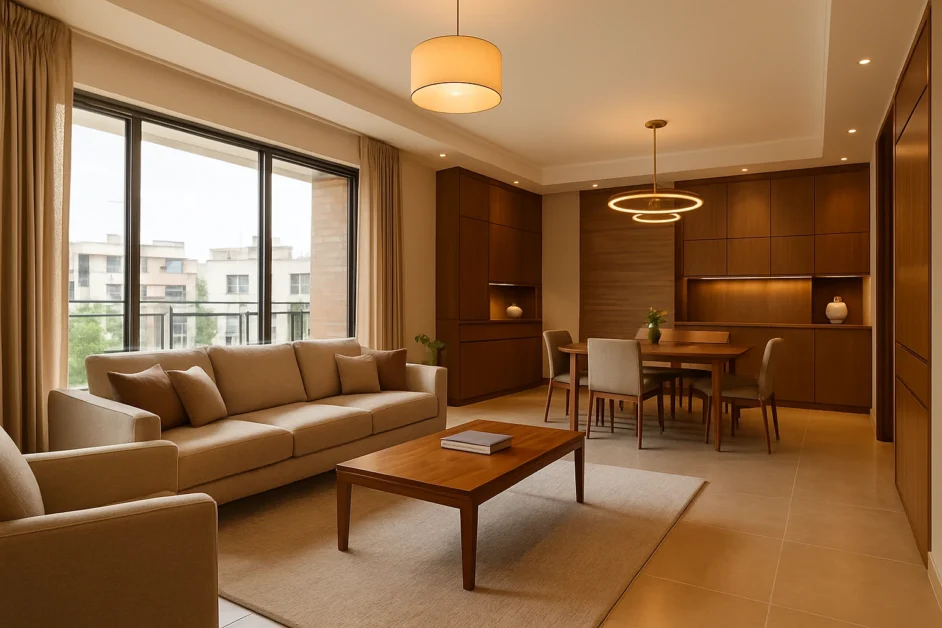
Contextual Design Philosophy is more than home decor. It makes your space beautiful and work…
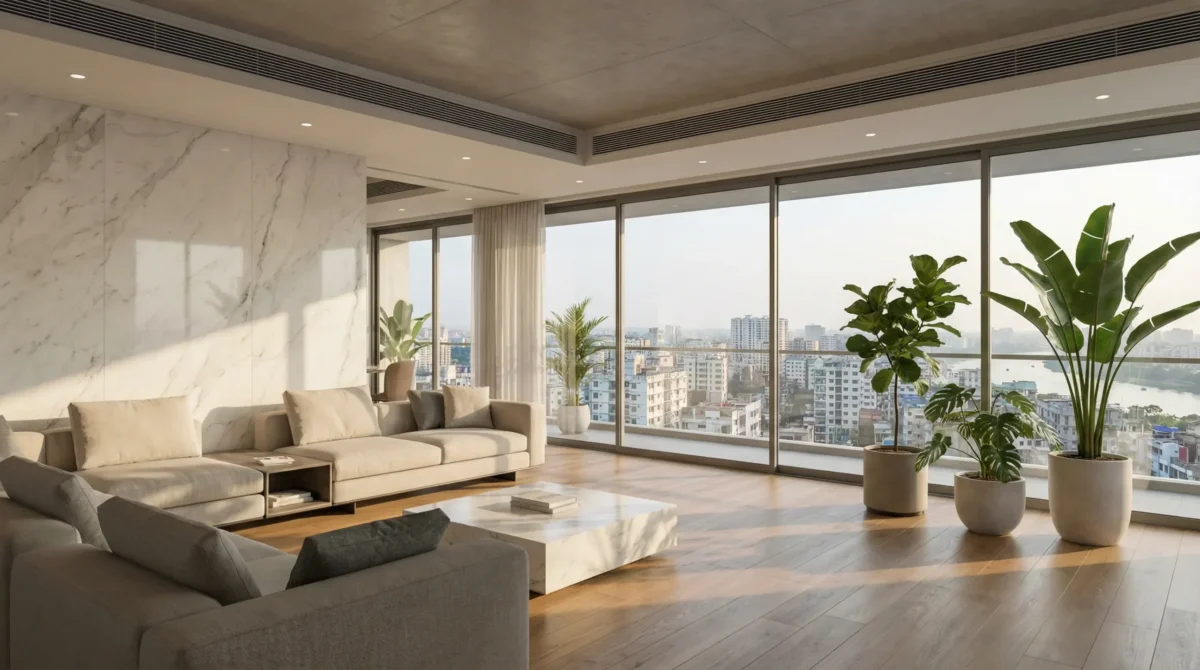
With full BNBC 2020 implementation and growing demand for smart, sustainable living, Interior Design now…
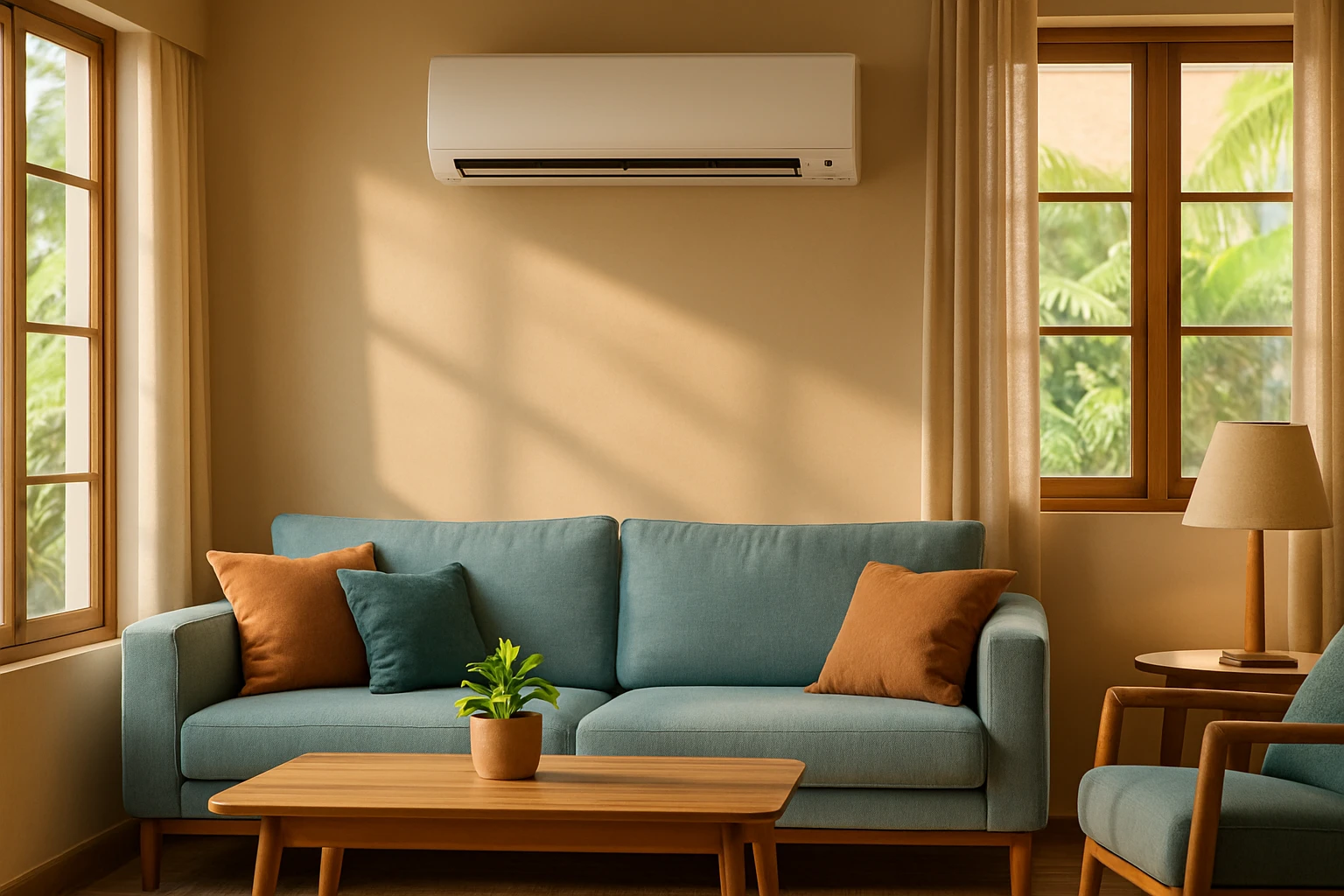
Struggling with heat and high power bills? Sunlit's efficient HVAC Guide helps you stay cool…
