
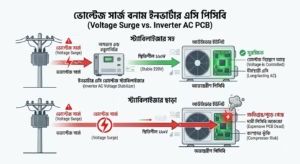
Inverter AC Voltage Stabilizer কি আসলেও প্রয়োজন? পিসিবি রক্ষার সঠিক গাইড ২০২৬
ঢাকা শহরের ভোল্টেজ ফ্লাকচুয়েশন থেকে আপনার এসির দামী পিসিবি রক্ষা করতে Inverter AC Voltage Stabilizer কতটা জরুরি? জানুন এর কারিগরি প্রয়োজনীয়তা ও সঠিক রেটিং।
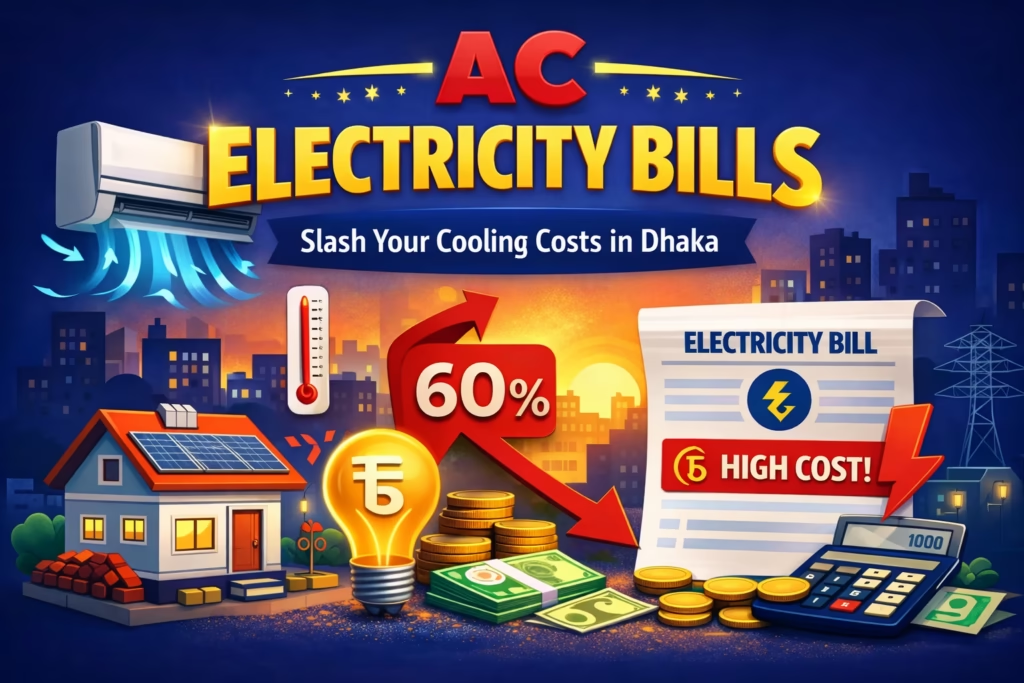
To reduce AC electricity bills in Dhaka (2026), switch to Inverter AC technology, set your thermostat at 24°C–26°C, follow BNBC 2020 thermal insulation standards, and service your unit before summer. Using Dry Mode during monsoon and blackout curtains can reduce DPDC/DESCO bills by up to 60%.
As of late 2025, residential electricity rates in Dhaka under DPDC and DESCO have reached a critical threshold for affluent households. For residents in Gulshan, Banani, or the emerging smart-plots in Purbachal, monthly consumption often exceeds the 400-unit mark. According to current market data :
৳12.00 – ৳14.50 per unit (400+ units tier, incl. VAT & demand charge)
A 1.5-ton non-inverter AC can consume 1.5–1.8 kWh per hour, meaning:
৳18–৳22 per hour
৳5,500+ per month (average usage)
The current price of a 1.5-ton Inverter AC in Dhaka ranges from ৳75,000 to ৳98,000 (brands like Gree, Daikin, or LG). While the upfront cost is roughly 30% higher than a non-inverter model, the engineering logic justifies the premium.
If you’re searching for:
AC electricity consumption calculator
AC bill calculator Bangladesh
How much bill for 1 ton AC?
Here’s the simplified breakdown:
| Type | Hourly Cost (Approx.) | Monthly Bill (Avg.) |
|---|---|---|
| Non-Inverter 1.5 Ton | ৳18–৳22/hr | ৳5,500+ |
| Inverter 1.5 Ton | ৳9–৳12/hr | ৳2,500–৳3,200 |
| Premium Smart Inverter | ৳7–৳10/hr | ৳1,800–৳2,400 |
Inverter compressors avoid the high-amperage “startup surges” that trigger peak load billing. For a typical 180 sq. ft. bedroom in a Banani flat, an inverter unit can recover its price difference through electricity savings within just 1.5 years of seasonal use.
| Feature / Metric | Non-Inverter (1.5 Ton) | Inverter AC (1.5 Ton) | Premium Smart Inverter (2025) |
|---|---|---|---|
| Market Price (BDT) | ৳55,000 - ৳65,000 | ৳72,000 - ৳95,000 | ৳105,000 - ৳125,000 |
| Energy Efficiency | Baseline (High Consum.) | 50% - 60% Savings | Up to 72% Savings |
| Avg. Bill (Monthly) | ৳5,500+ | ৳2,500 - ৳3,200 | ৳1,800 - ৳2,400 |
| Gas Type | R22 (Phasing out) | R32 / R410A | R32 (Eco-Friendly) |
| Servicing Window | Every 3 Months | Every 6 Months | Annual (Self-Cleaning) |
| Best Location | Guest/Utility Rooms | Master Bedrooms | Purbachal Smart Homes |
Dhaka’s climate requires a three-phase HVAC strategy to maintain efficiency.
Savvy homeowners in Purbachal and Gulshan now treat AC servicing as a winter renovation priority. Cleaning the evaporator coils and checking refrigerant levels (Gas Charging) before the April humidity hits ensures the system doesn’t overwork. Dust accumulation during Dhaka’s dry winter can reduce efficiency by 30% if not cleared before the first heatwave.
Pre-Summer Service (Feb–March)
Cost: ৳3,500–৳5,000
Benefit: Removes dust, restores gas pressure, improves airflow.
During the June–August monsoon, the challenge isn’t just heat, it’s the 90% humidity. Using your AC’s “Dry Mode” specifically targets moisture removal. This prevents the “sticky” feeling at higher temperatures, allowing you to keep the thermostat at 26°C instead of 22°C, saving significant Taka on your DESCO bill.
Does “Dry Mode” Save Electricity?
Yes. During June–August (90% humidity):
Many Dhaka flats leave ACs dormant from November to February. This leads to fungal growth in the drainage pipes and dust hardening on the filters. A “Master Service” during this period is often 20% cheaper than emergency repairs in mid-June.
Winter Off-Season Service (Nov–Jan)
With the rise of smart home ecosystems, integrating Wi-Fi-enabled ACs allows homeowners to monitor real-time consumption. Setting schedules to avoid the high-load “peak hours” (usually 6 PM to 11 PM) can prevent your meter from hitting the most expensive DPDC tariff slabs.
Peak tariff hours: 6 PM – 11 PM
Wi-Fi AC scheduling can:
Setting your AC to 24°C–26°C instead of 20–22°C:
Modern HVAC engineering isn’t just about the machine; it’s about the room. BNBC 2020 guidelines emphasize the “U-value” of walls.
Many users ask:
Why is my electricity bill high despite inverter AC?
Because the problem is often thermal leakage, not the machine.
If cool air escapes, your inverter runs at 100% capacity — eliminating savings.
The key is to act before the April heatwave—an efficient HVAC system is the ultimate safeguard against Dhaka’s rising energy costs and fluctuating climate.
To slash AC electricity bills in Dhaka (2025):
Upgrade to inverter AC
Maintain 24°C–26°C
Follow BNBC thermal sealing
Service before April
Use Dry Mode during monsoon
Avoid peak slab overuse
Based on 2025 DPDC/DESCO rates, a 1.5-ton inverter AC running at 25°C costs approximately ৳70–৳90 per night, whereas a non-inverter model can exceed ৳150 per night due to higher peak-load consumption.
২০২৫ সালে, ১ টন ইনভার্টার এসি মাসে প্রায় ৳১,৮০০–৳২,৫০০ পর্যন্ত বিল আনতে পারে (ব্যবহারের উপর নির্ভর করে)।
The most common causes in Dhaka are:
Yes. During high humidity (June–August), Dry Mode prioritizes dehumidification over cooling. It runs the compressor at a lower speed, reducing power consumption while making 26°C feel significantly cooler.
According to BNBC 2020 (adopted by RAJUK), outdoor units should be placed in well-ventilated areas, away from direct sunlight, and must not obstruct emergency fire exits or discharge hot air directly into neighbors’ windows.
The “Winter Renovation” window (November to February) is the best time. Retailers often provide “off-season” discounts of 10-15%, and service providers like ‘Sunlit BD’ are more available for comprehensive “Master Cleaning.”
Take Control of Your Utility Costs! Don’t let Dhaka’s heat drain your finances. SunlitBd offers comprehensive HVAC audits and energy-efficient retrofitting for Gulshan, Banani, and Purbachal residents.
ঢাকা শহরের ভোল্টেজ ফ্লাকচুয়েশন থেকে আপনার এসির দামী পিসিবি রক্ষা করতে Inverter AC Voltage Stabilizer কতটা জরুরি? জানুন এর কারিগরি প্রয়োজনীয়তা ও সঠিক রেটিং।
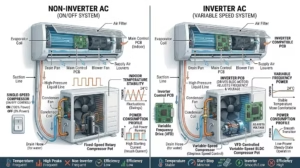
এসি কেনার সময় আমরা সবাই শুনি “ইনভার্টার এসি বিদ্যুৎ সাশ্রয় করে”। কিন্তু একজন টেকনিশিয়ান বা ইঞ্জিনিয়ারের দৃষ্টিতে এর আসল রহস্য কোথায়? কেন একটি Inverter AC সাধারণ এসির চেয়ে আলাদা? আজ আমরা আলোচনা করব ইনভার্টার এসির ভেতরের সেই ইন্টেলিজেন্ট মেকানিজম নিয়ে।
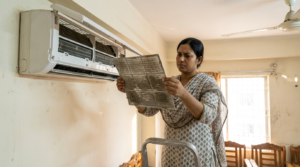
বাংলাদেশের গরমে এসির আয়ু বাড়াতে তাপমাত্রা ২৪°C-২৬°C এ রাখুন এবং প্রতি সপ্তাহে ফিল্টার পরিষ্কার করুন। ঢাকার ধুলোবালি থেকে বাঁচতে বছরে অন্তত ২ বার মাস্টার সার্ভিসিং জরুরি। যেকোনো সমস্যায় ৪০ বছরের অভিজ্ঞতাসম্পন্ন এক্সপার্টের সেবা পেতে কল করুন: +৮৮০১৭৮৪৩৮৫৩৩৫।